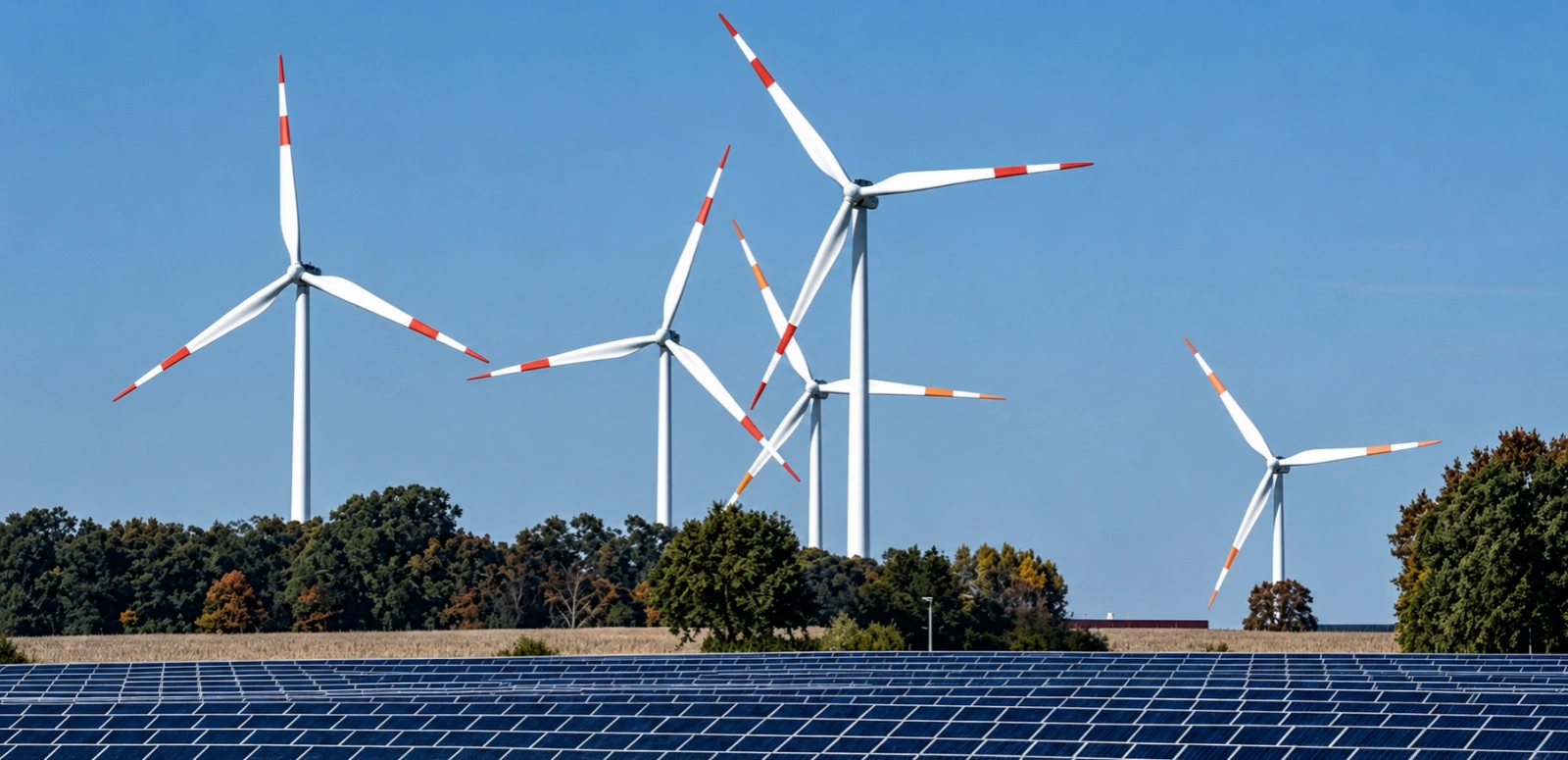
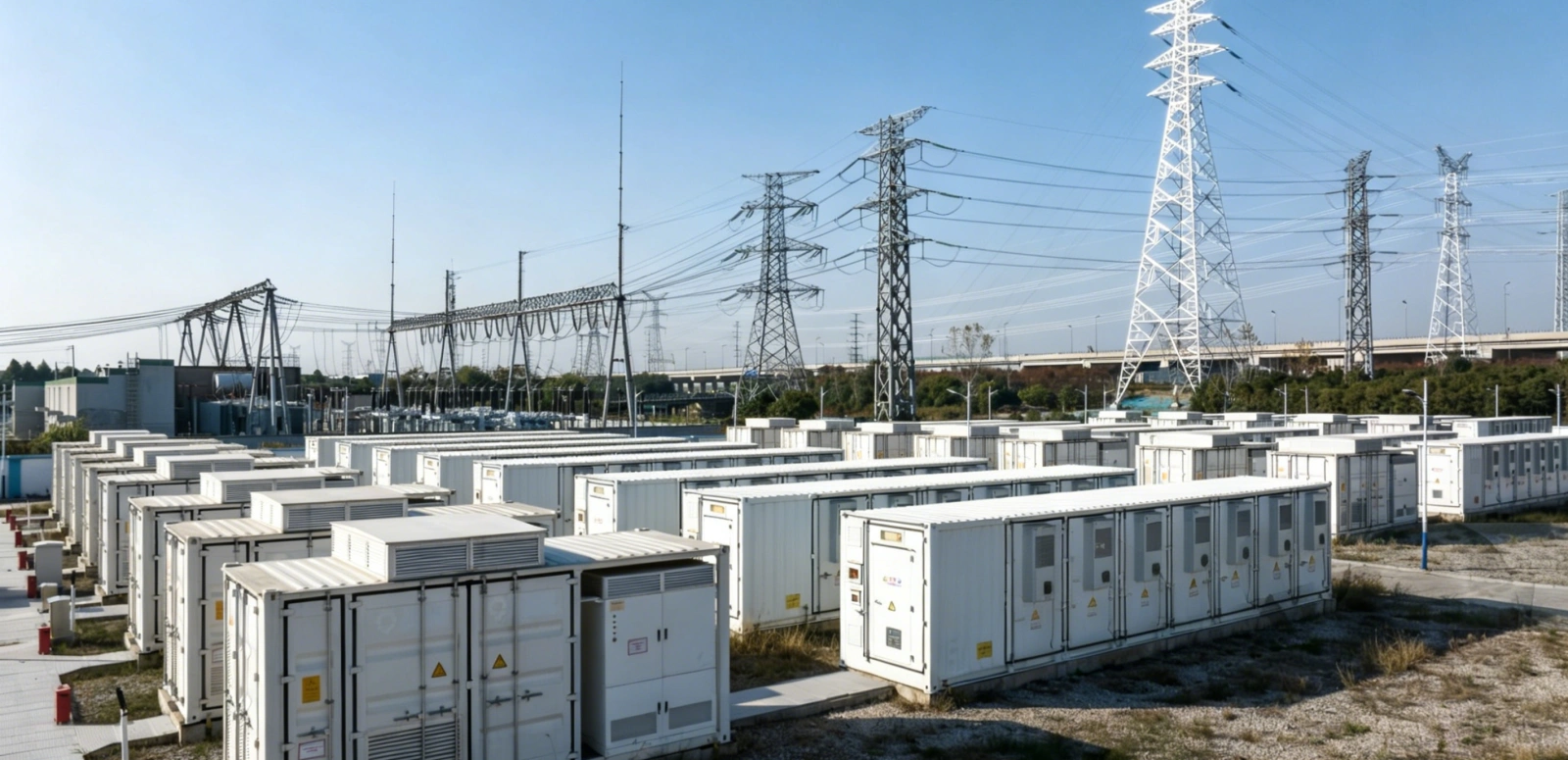
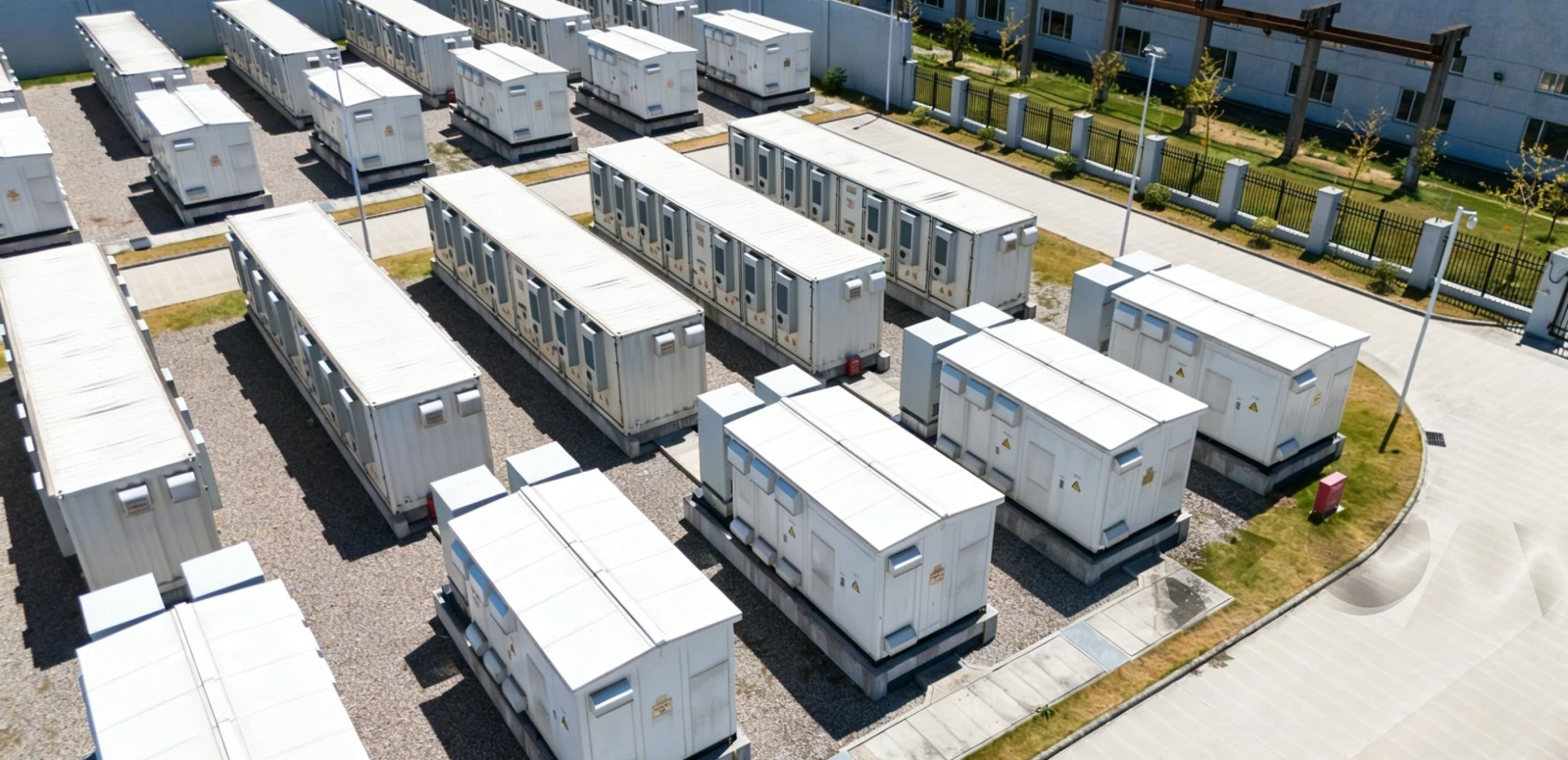
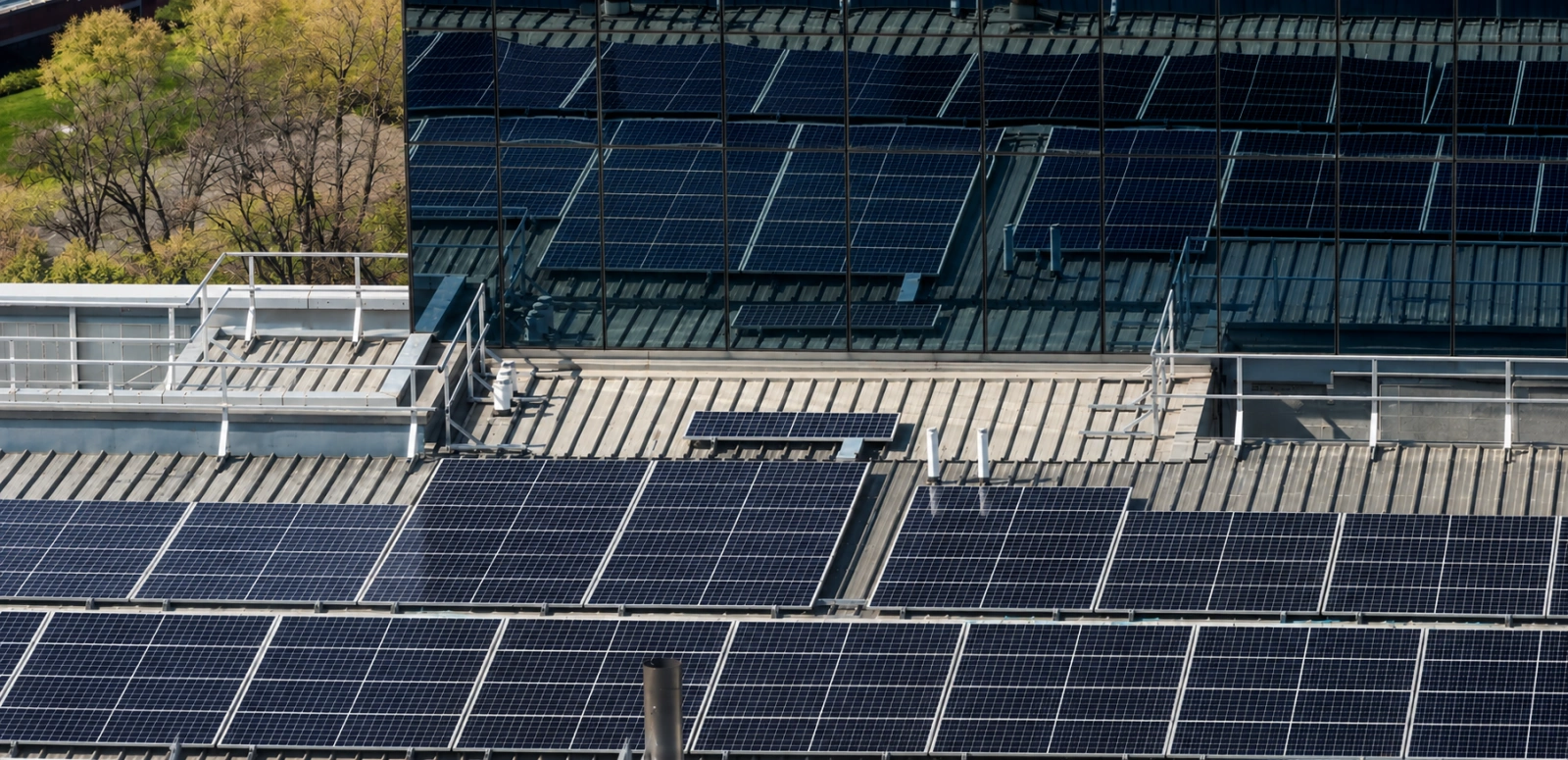
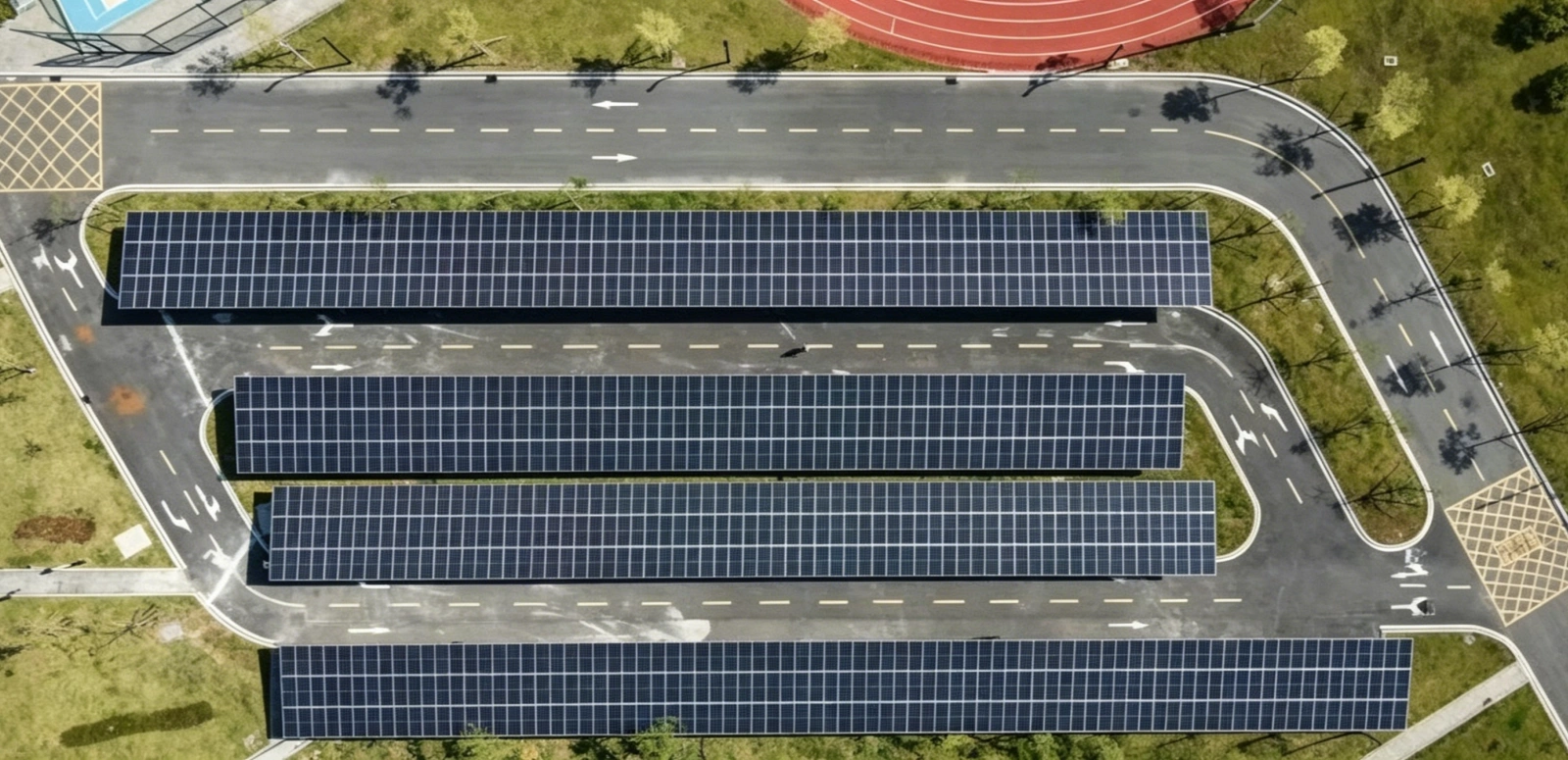
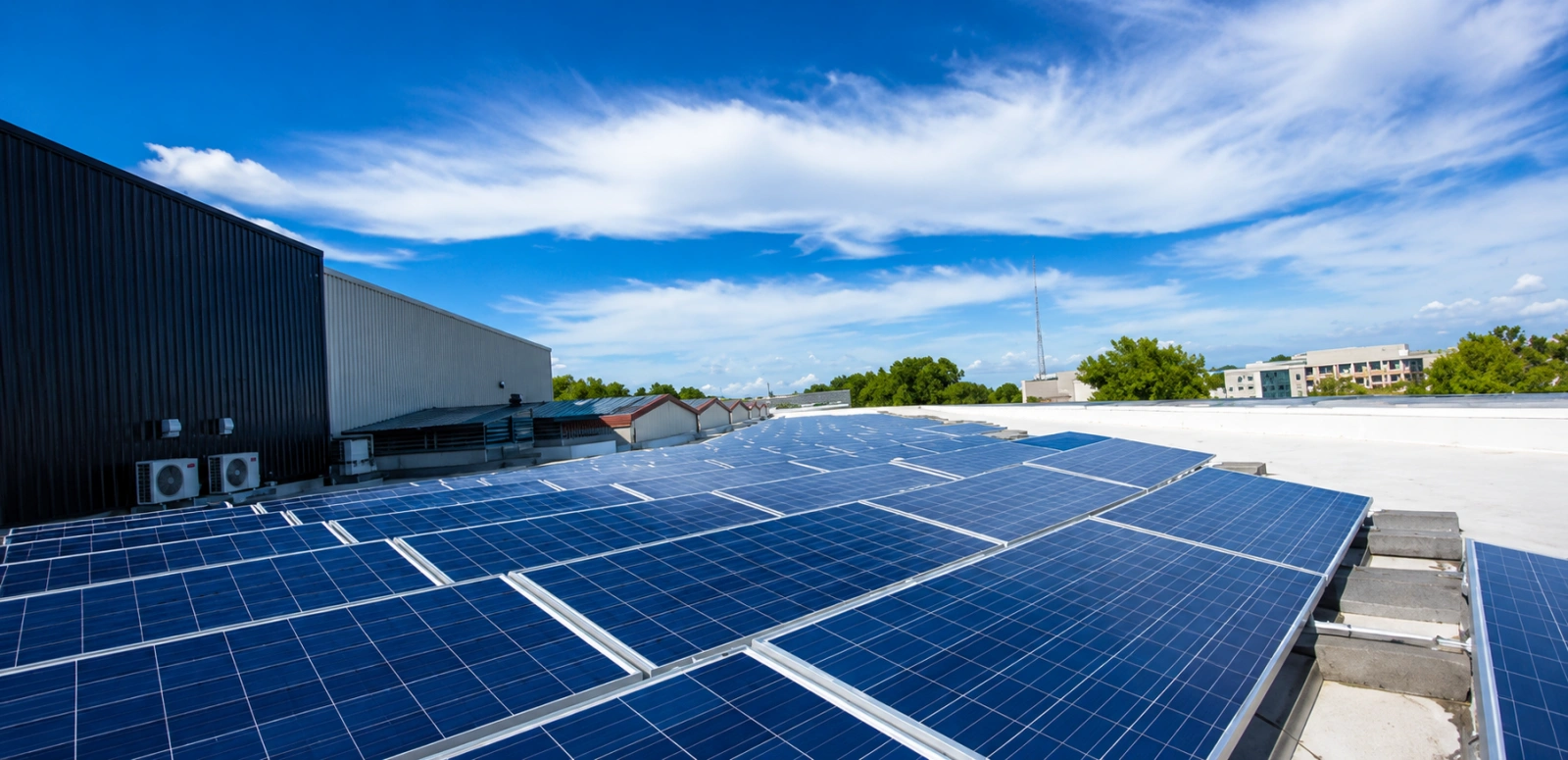
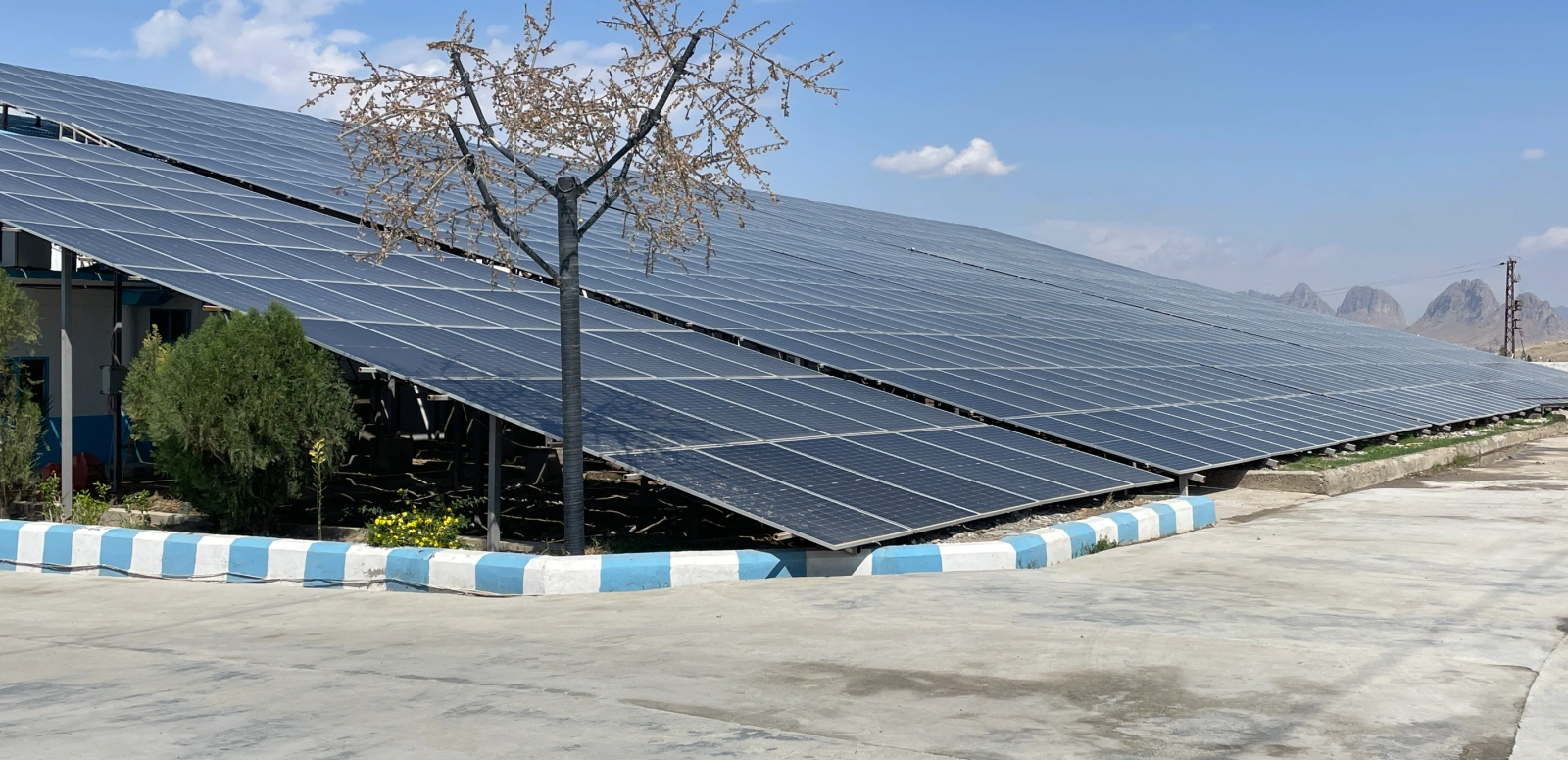
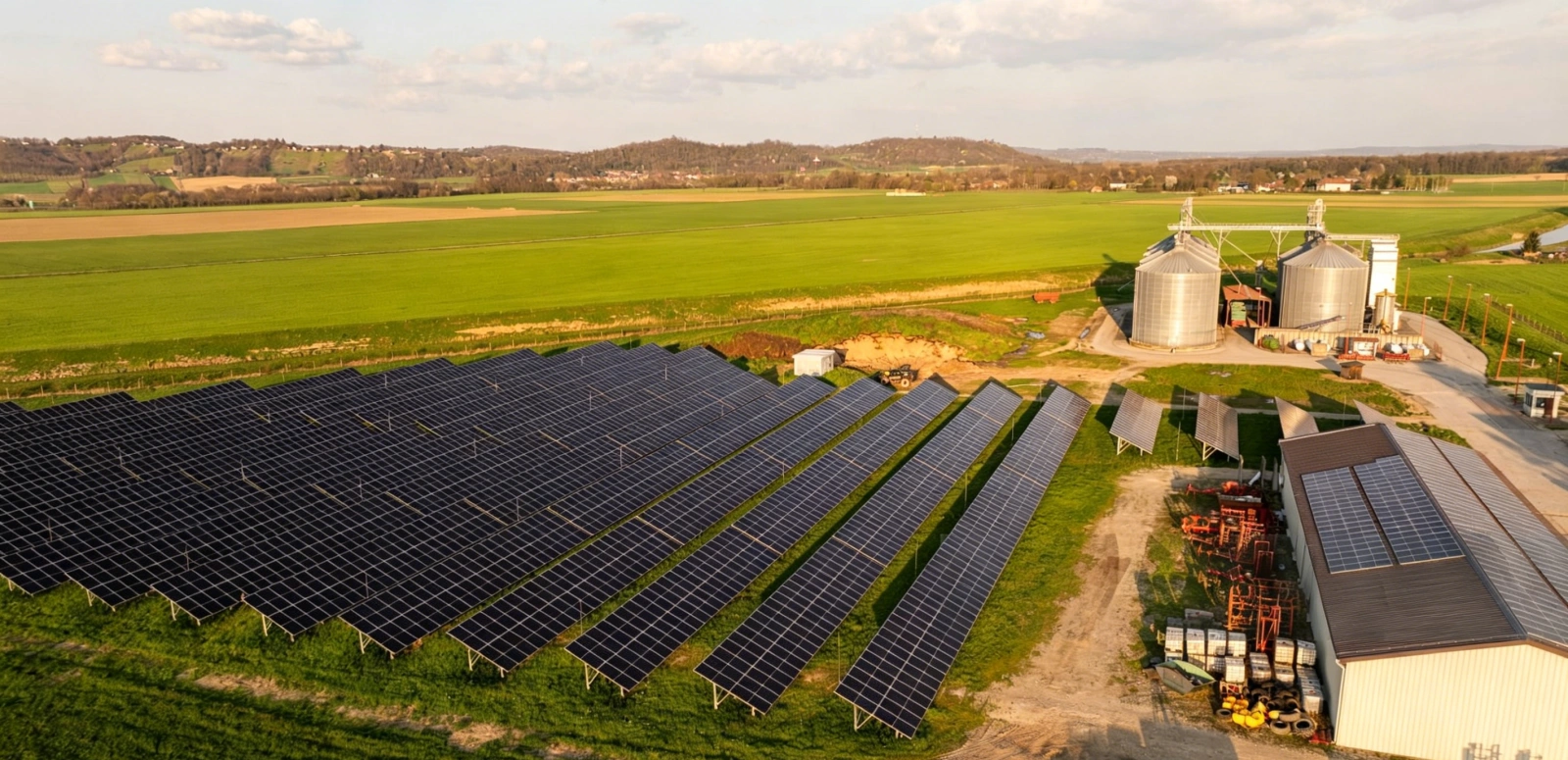
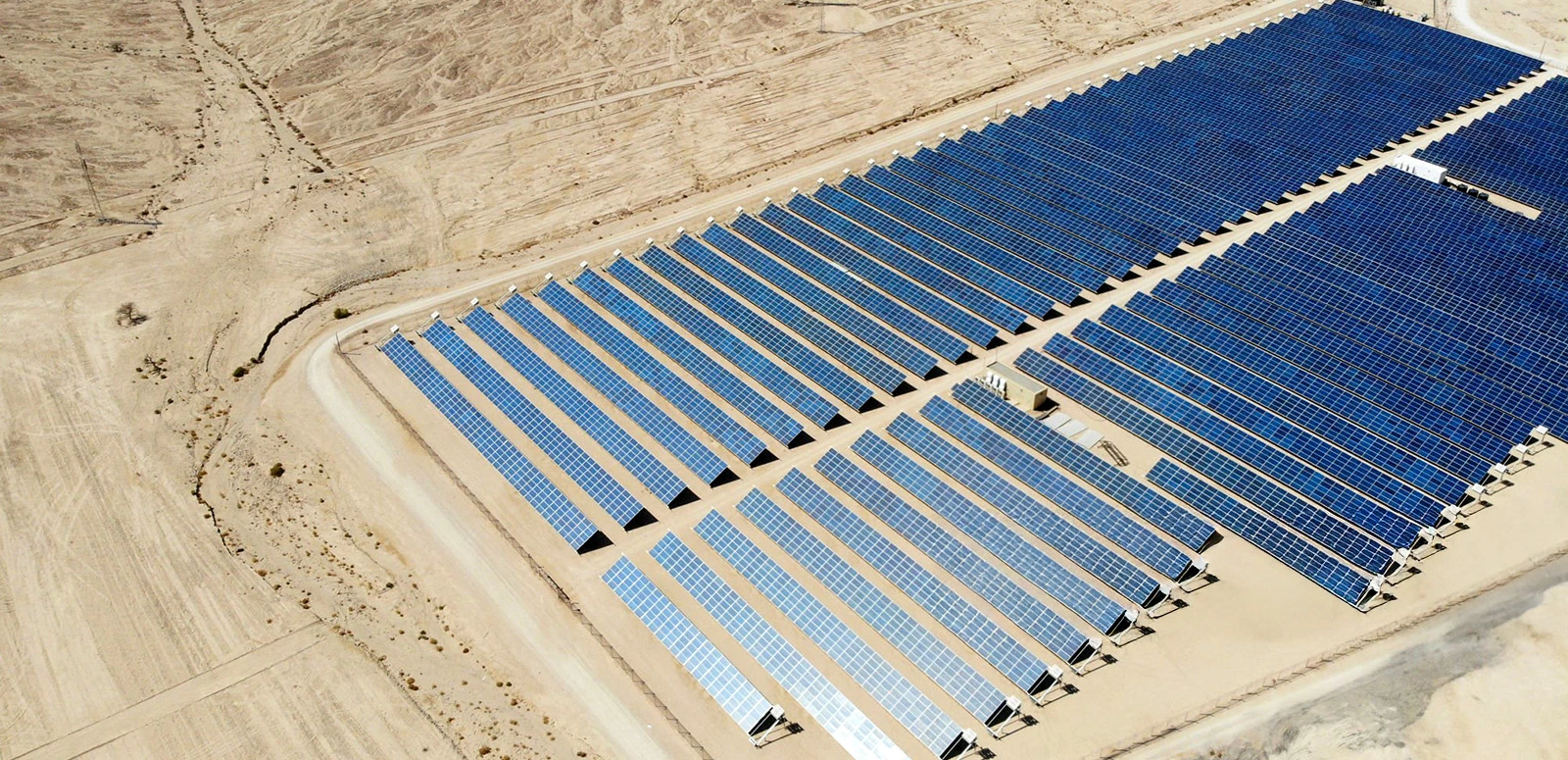
As a project manager of a new energy development company based in Brandenburg, Germany, we launched a 3MW utility-scale wind-solar hybrid power station project in 2026. Featuring flat terrain and abundant land resources, the Brandenburg region is ideal for large-scale renewable energy deployment. However, our project faced multiple restrictive challenges that greatly complicated construction and power generation planning.
First, the project site is close to local nature reserves and bird migration routes, requiring strict ecological protection and limited land occupation. We needed to maximize power output within restricted land areas while avoiding damage to local forests and ecological environments. Second, the local power grid has limited capacity with extremely high requirements for power output stability and voltage control, making grid connection approval very strict for traditional power plants. Third, located at a high latitude, Brandenburg suffers from short winter daylight hours and long weak-light periods, where conventional solar modules experience severe power attenuation and low overall efficiency.
Faced with these technical, environmental, and grid-connected difficulties, we struggled to find a reliable solution until we partnered with Sunpal Solar.
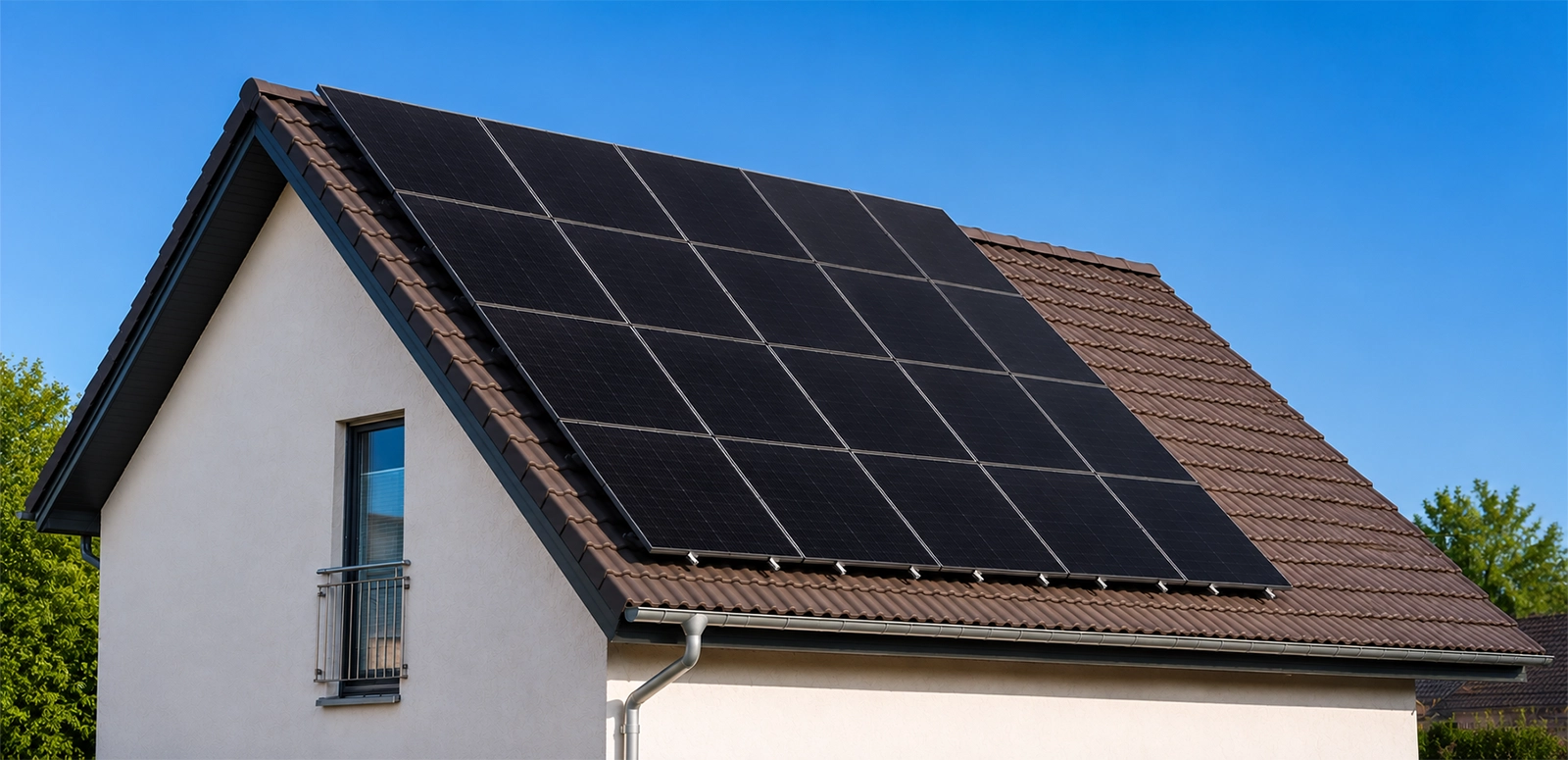
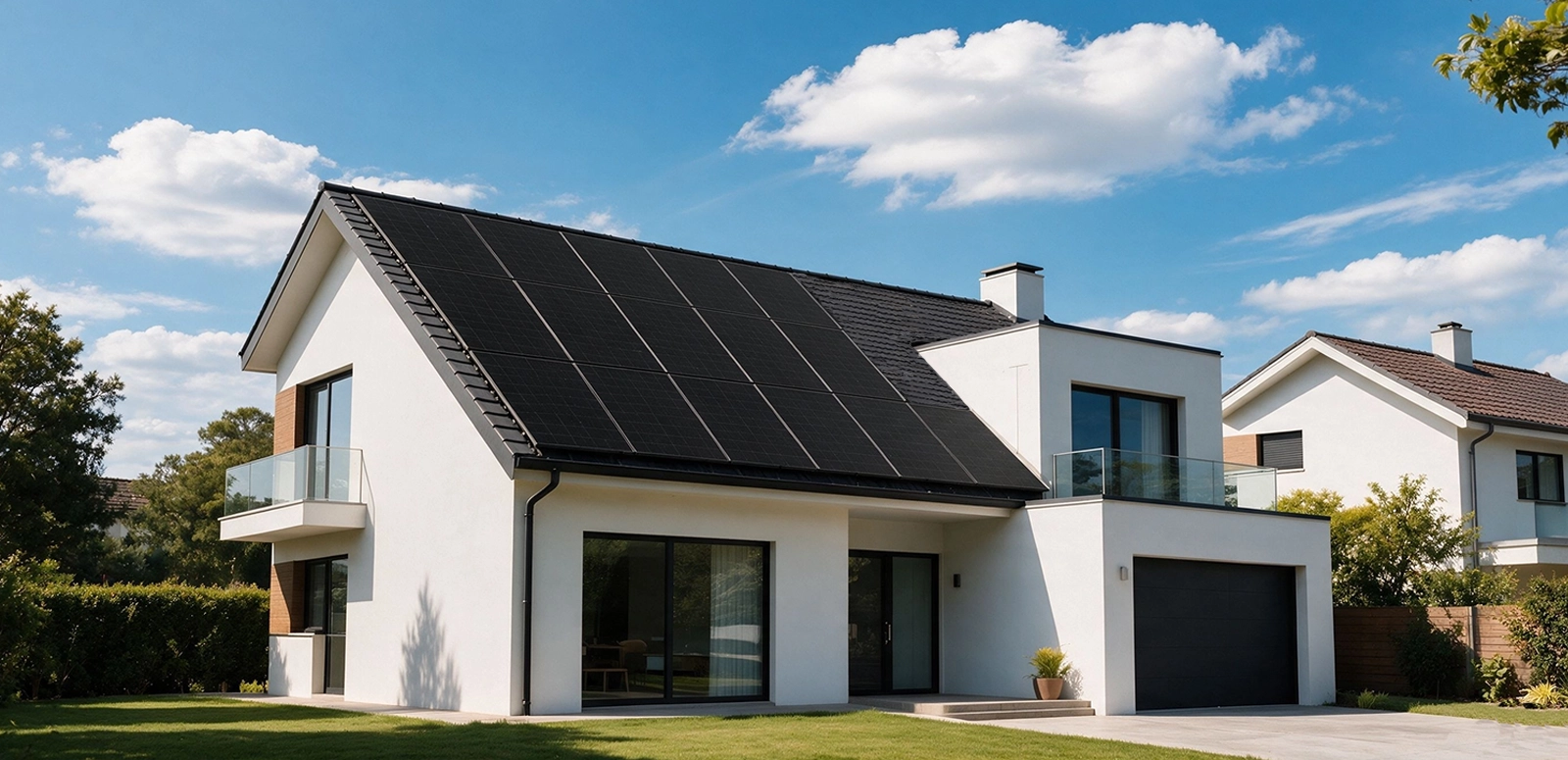
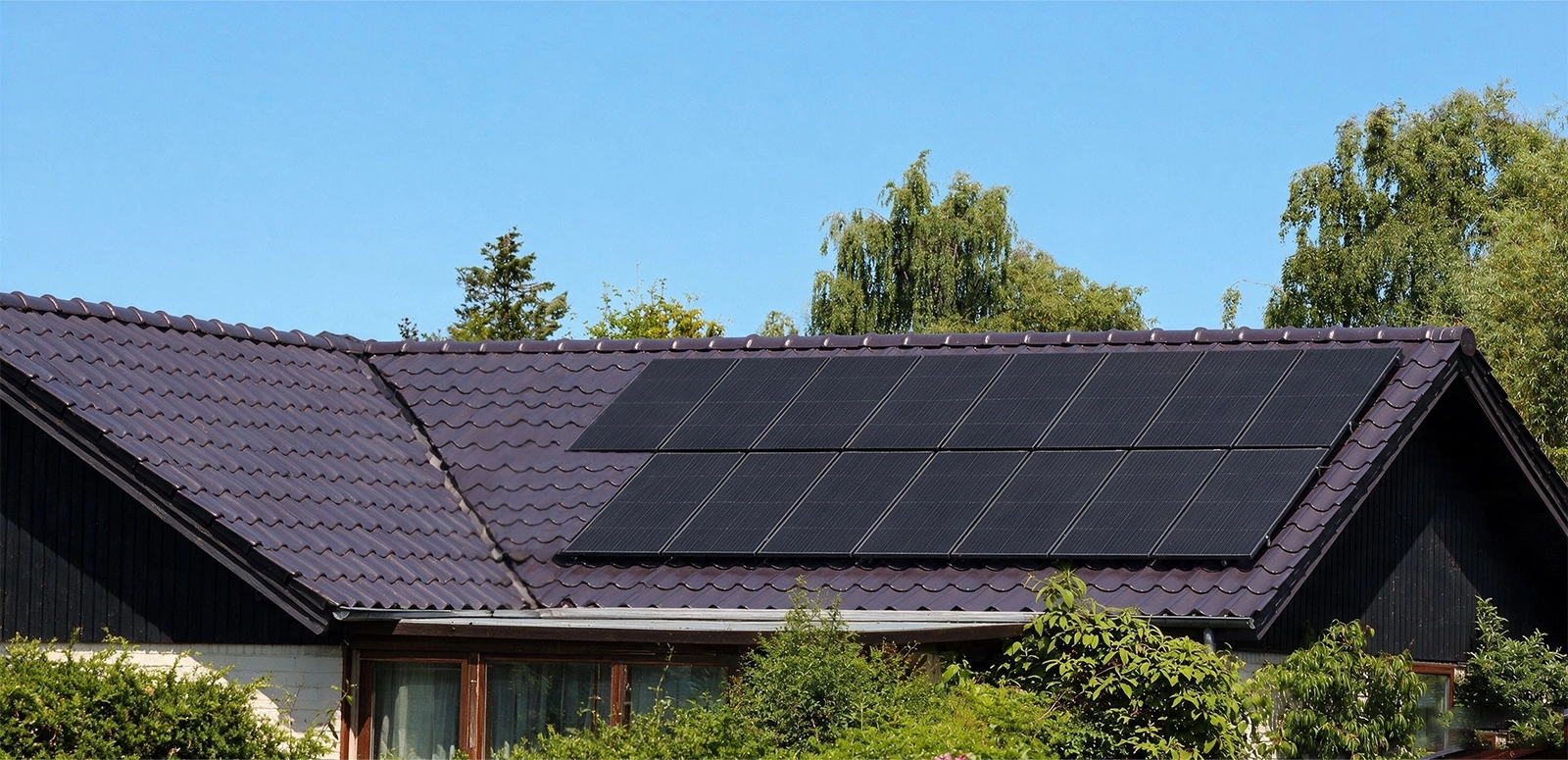
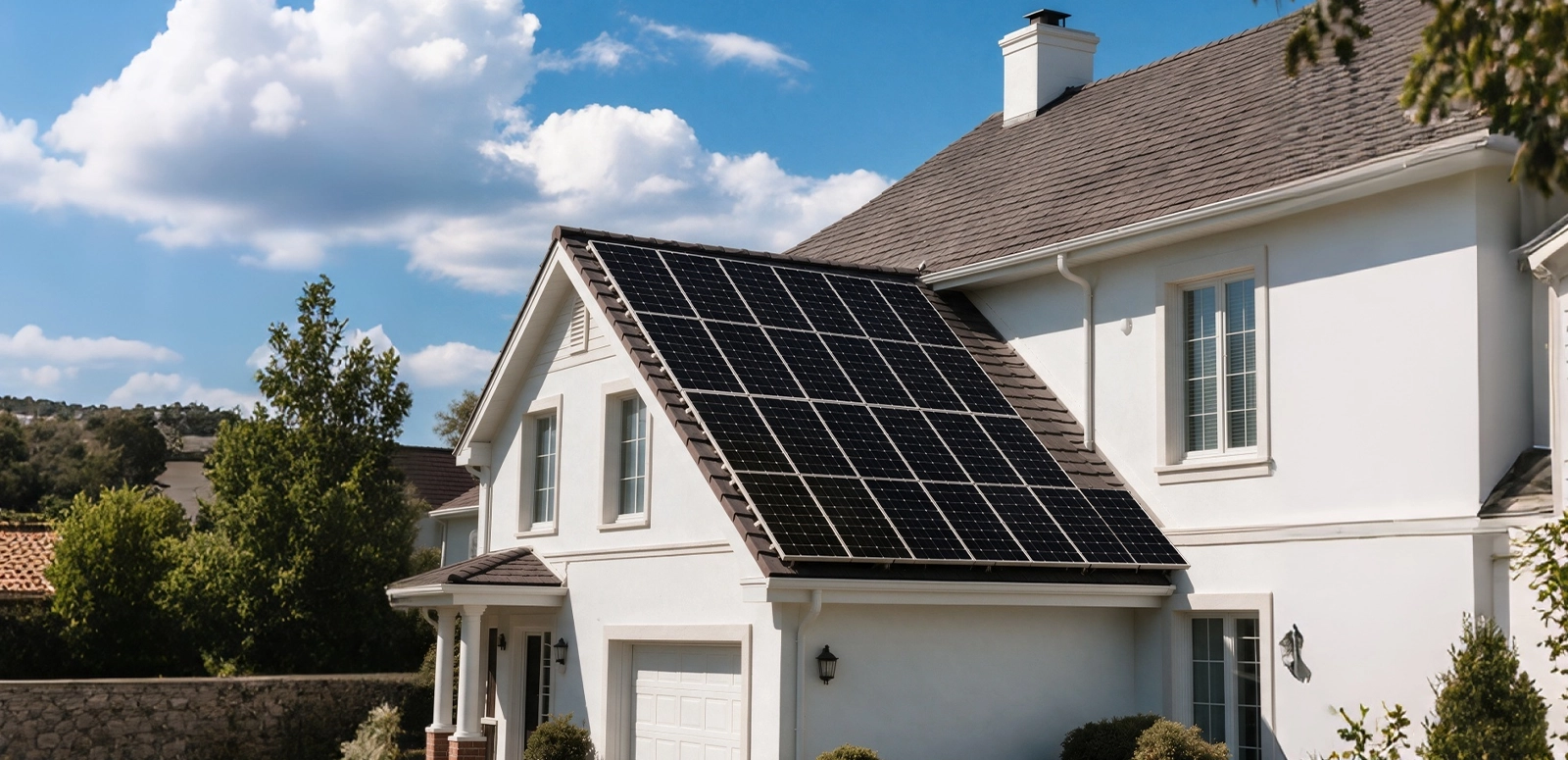
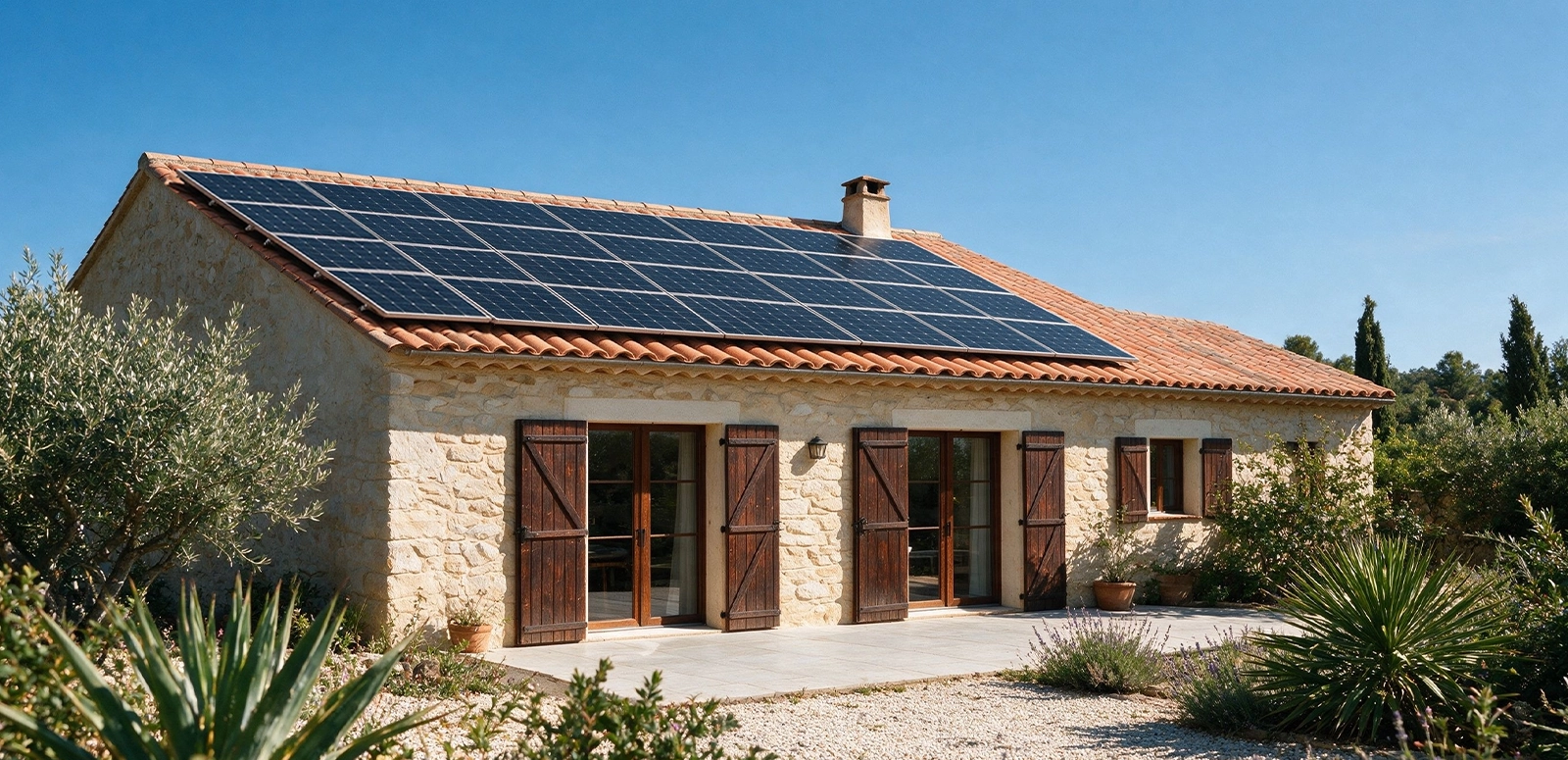
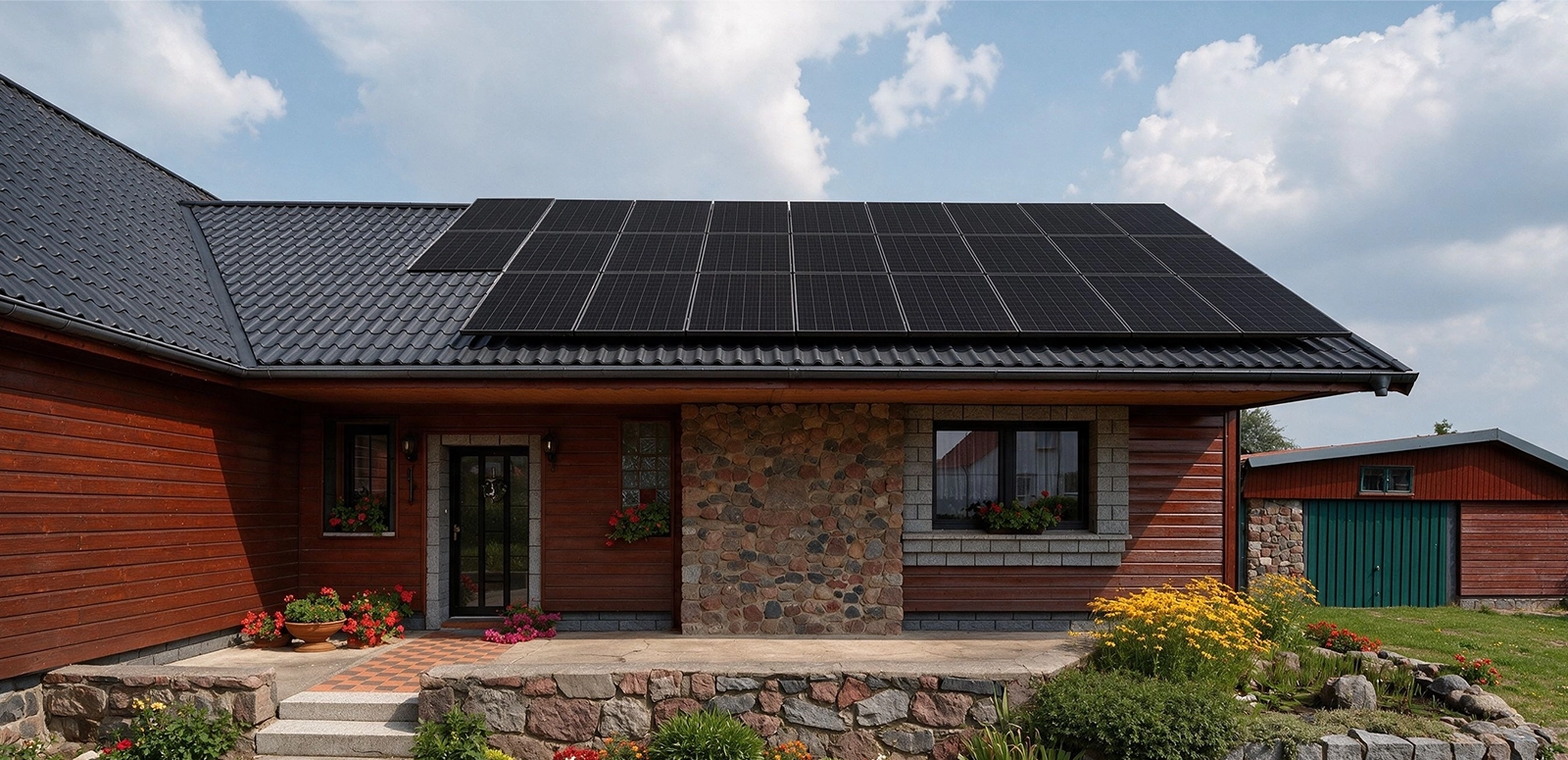
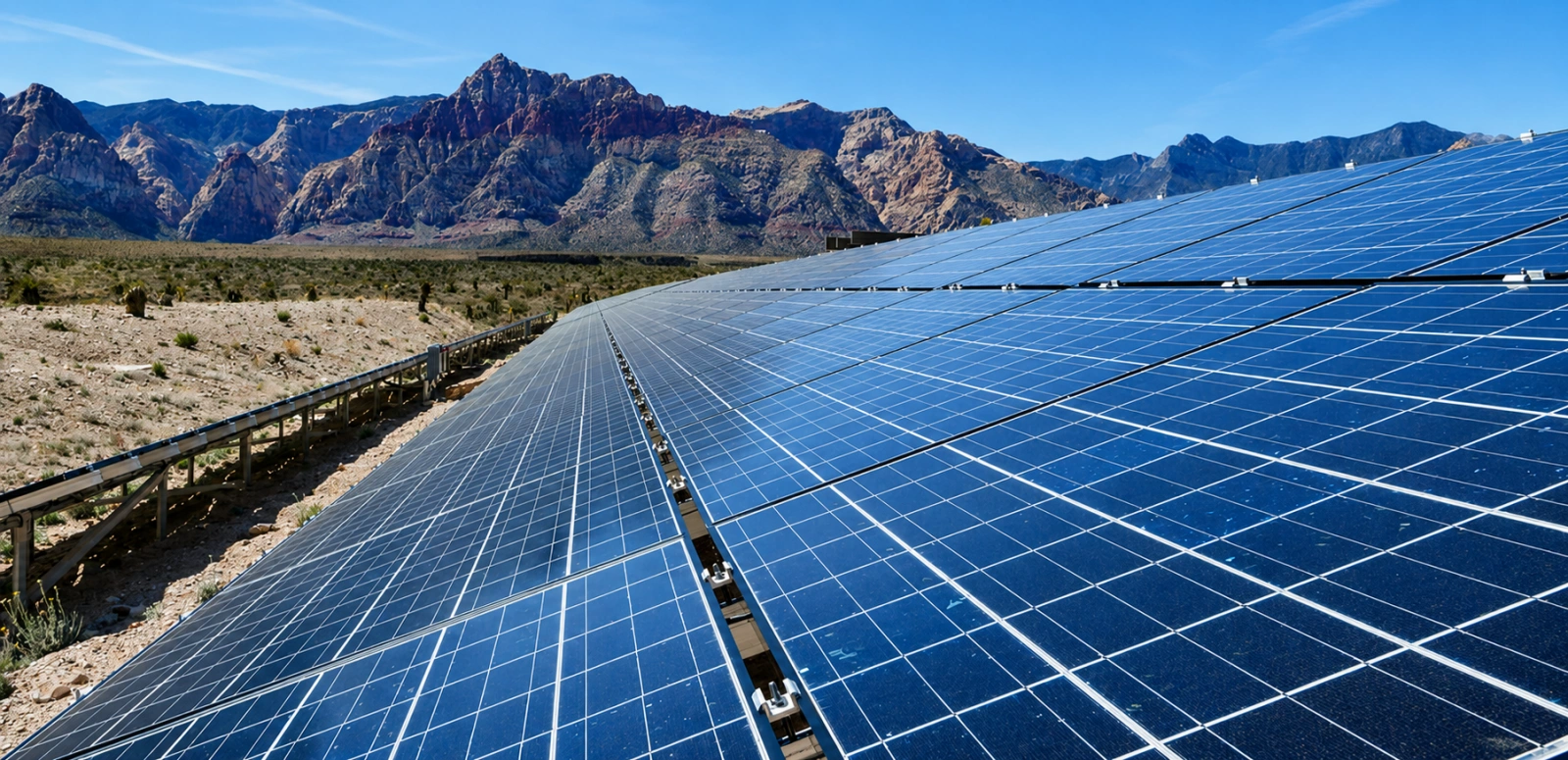
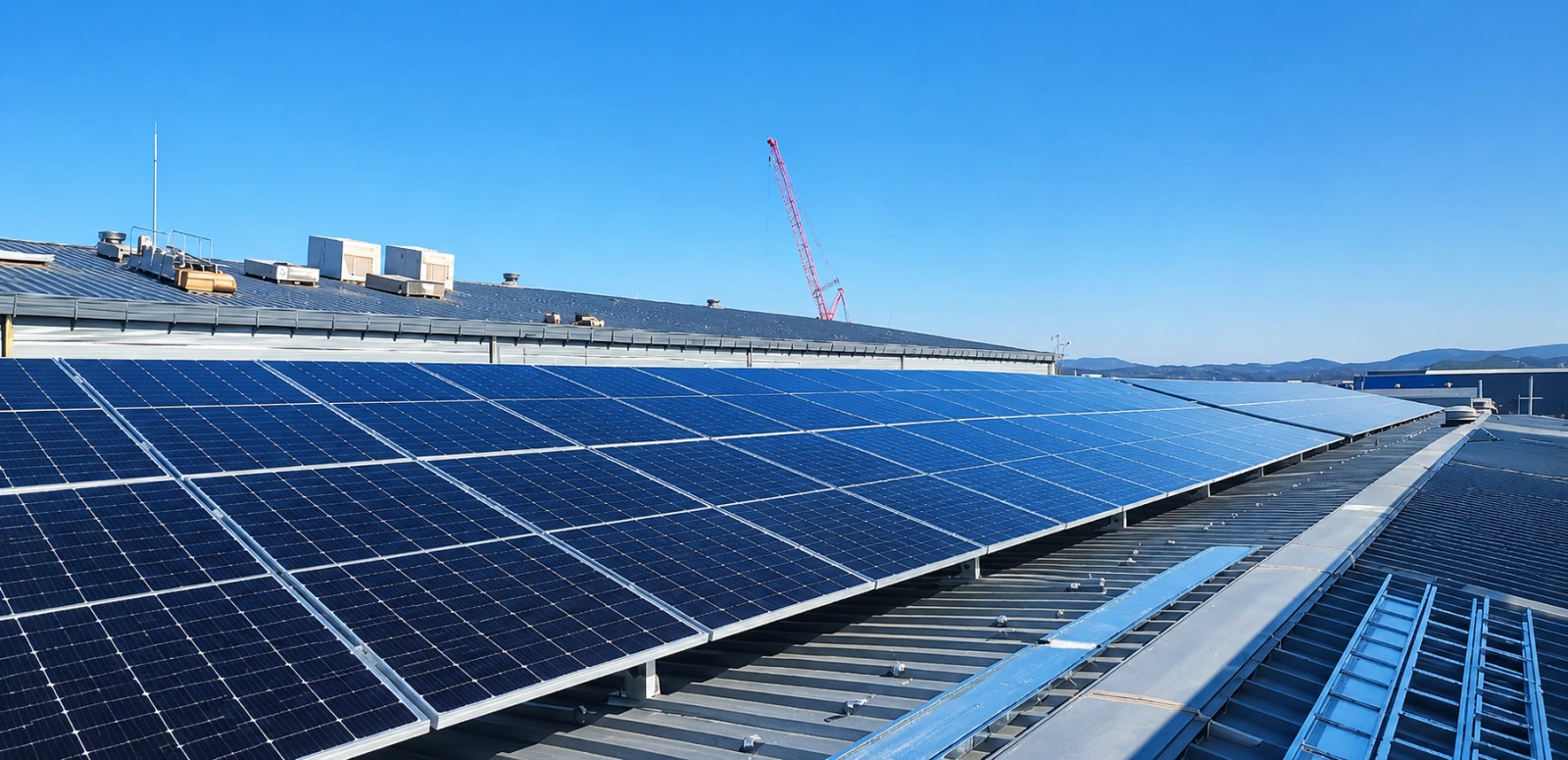
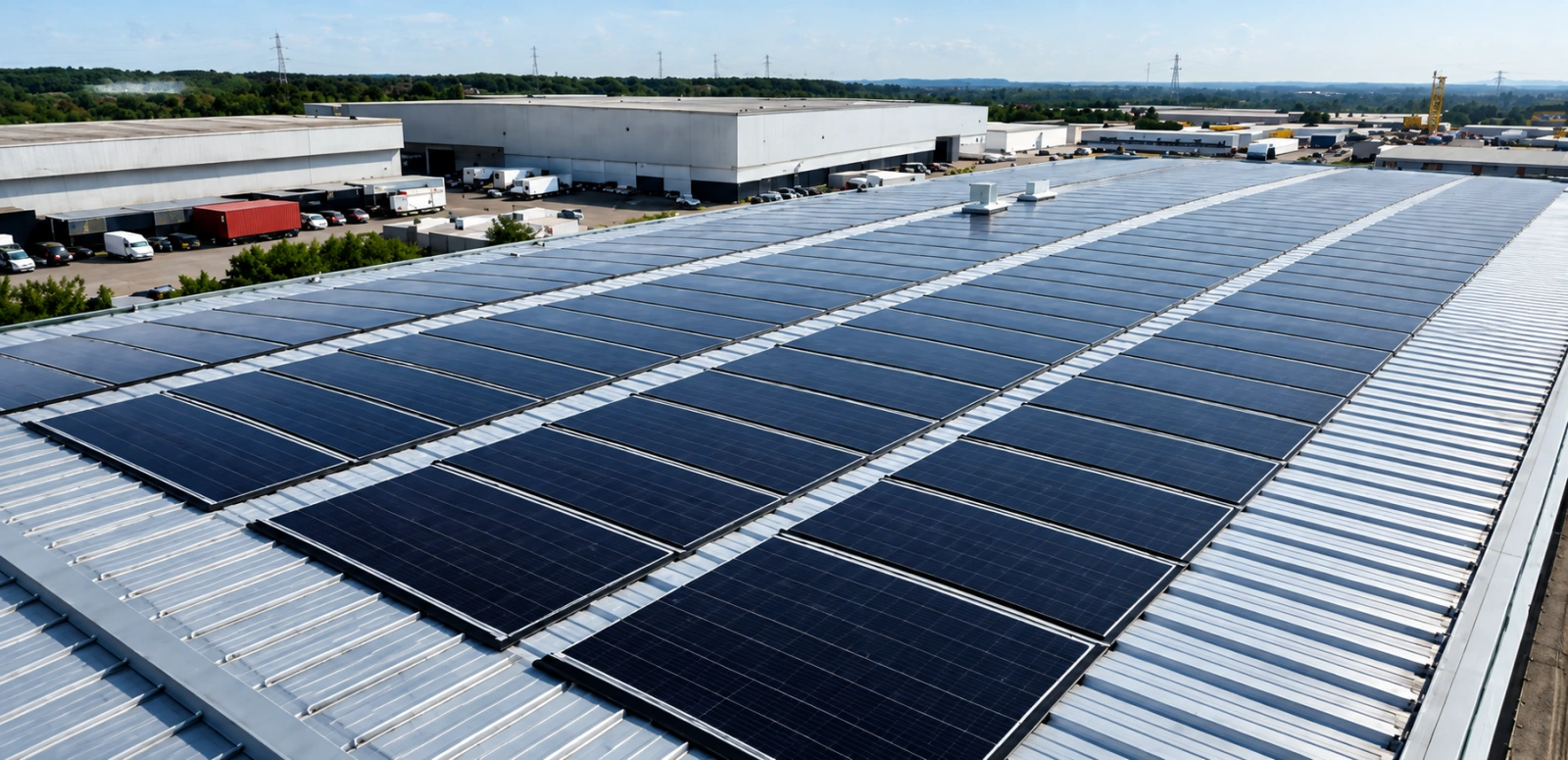
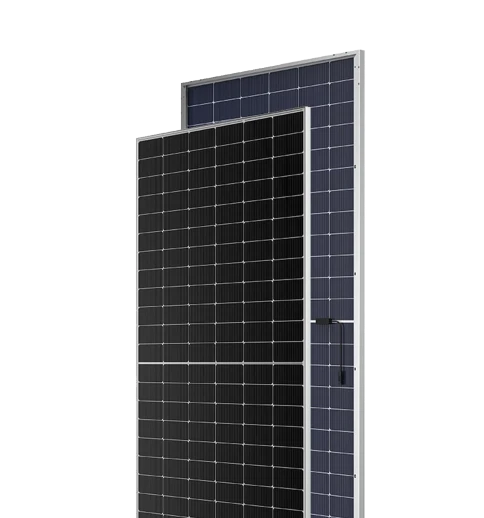
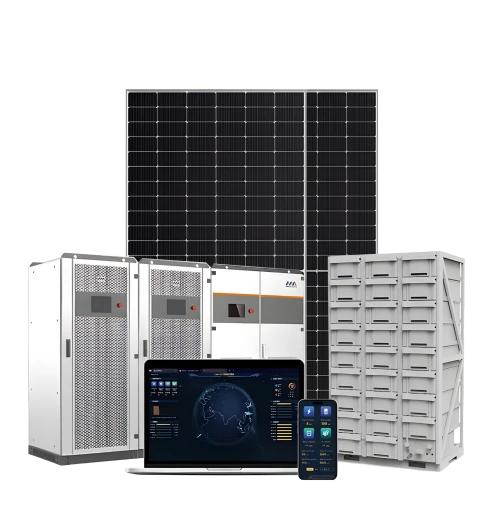
After on-site investigation and precise evaluation, the Sunpal technical team delivered a fully customized wind-solar hybrid solution tailored to our local conditions. We adopted Sunpal high-efficiency 600W+ TOPCon double-glass bifacial modules to solve our weak-light and low-efficiency pain points. Compared with traditional PERC modules, Sunpal’s TOPCon technology delivers over 12% higher power generation under low-light conditions, greatly improving performance during early mornings, evenings,s and winter seasons. Meanwhile, the bifacial power generation design effectively boosted overall energy yield without expanding our land usage, perfectly meeting local ecological and land restrictions.
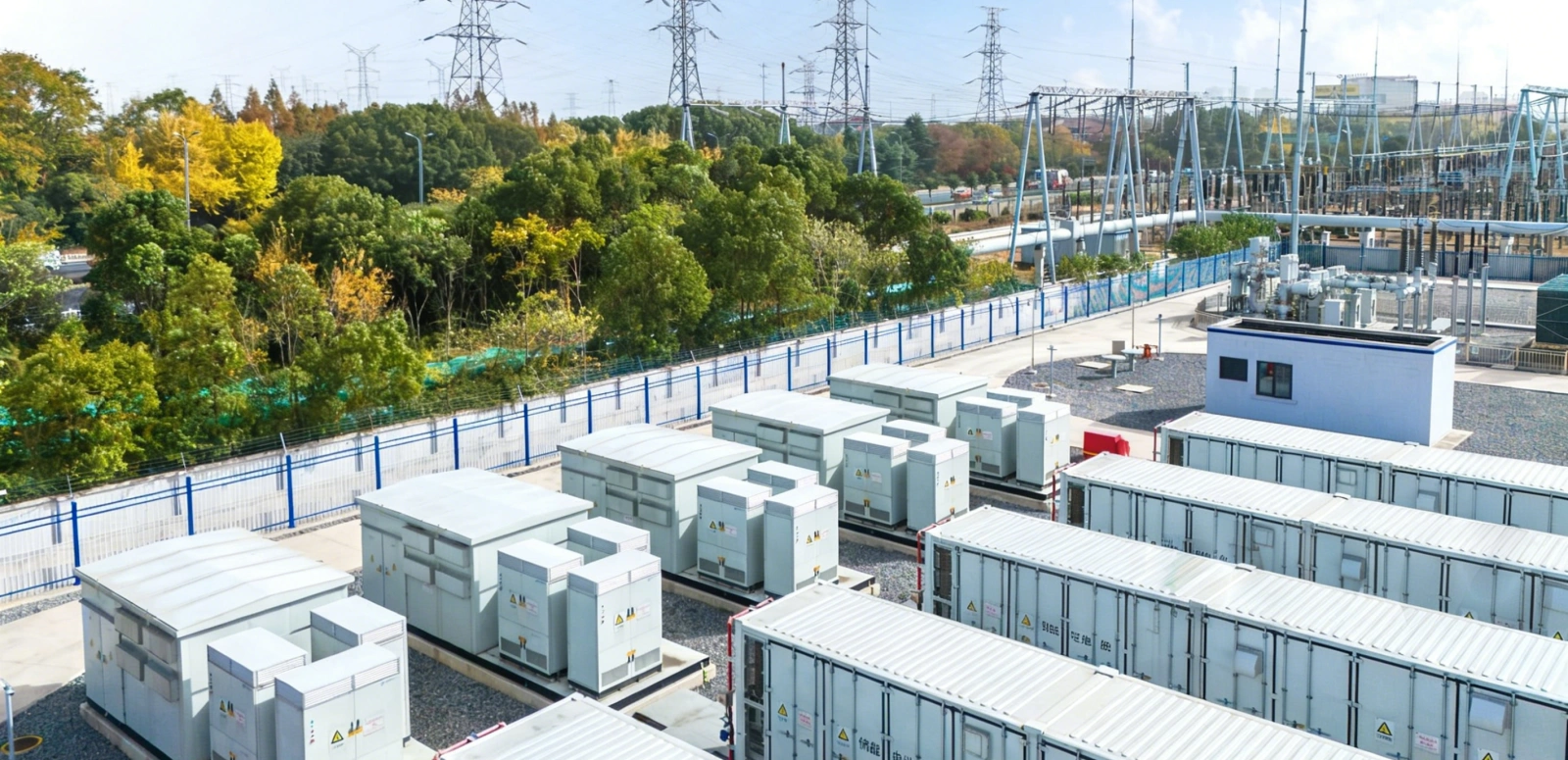
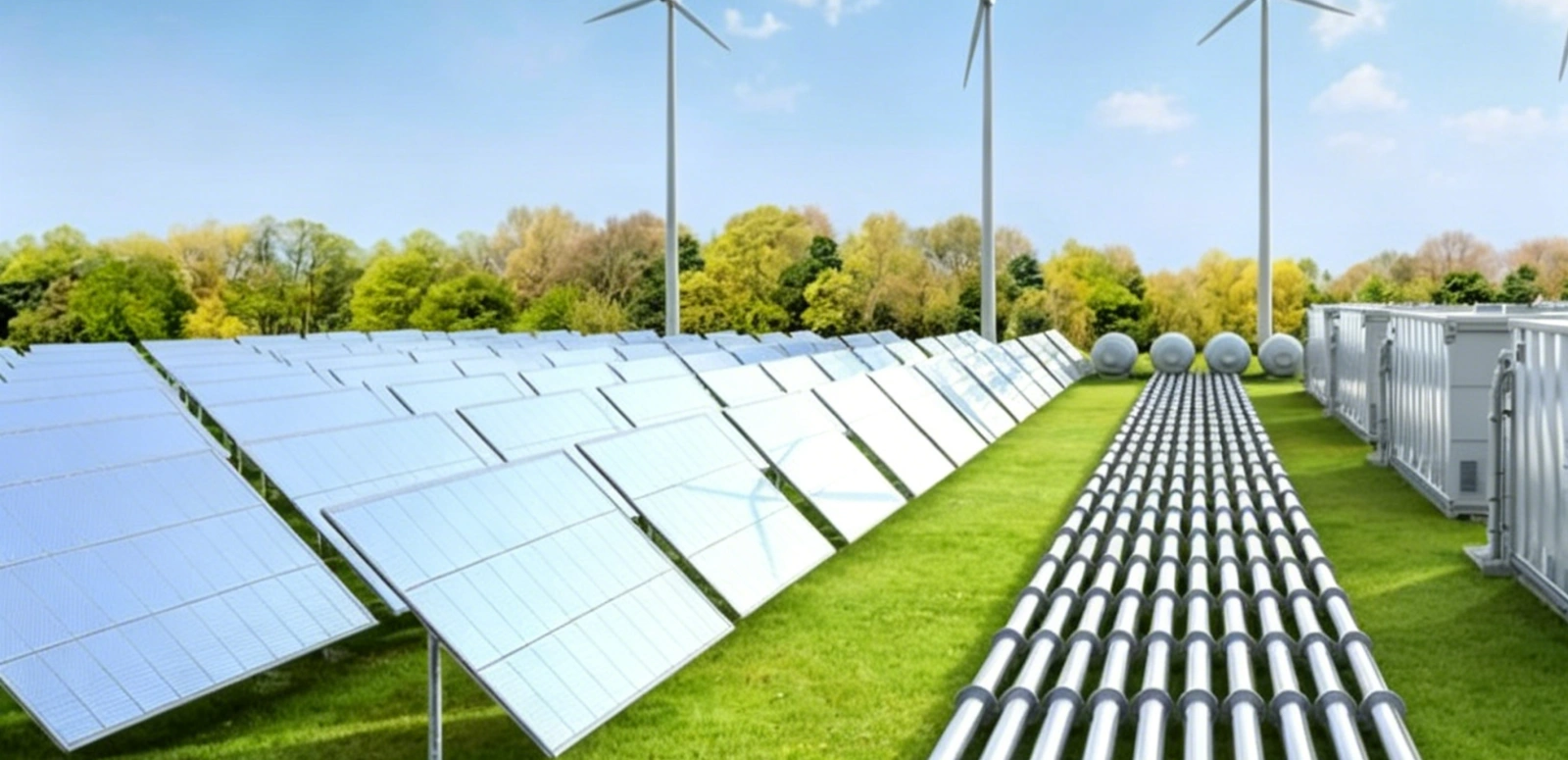
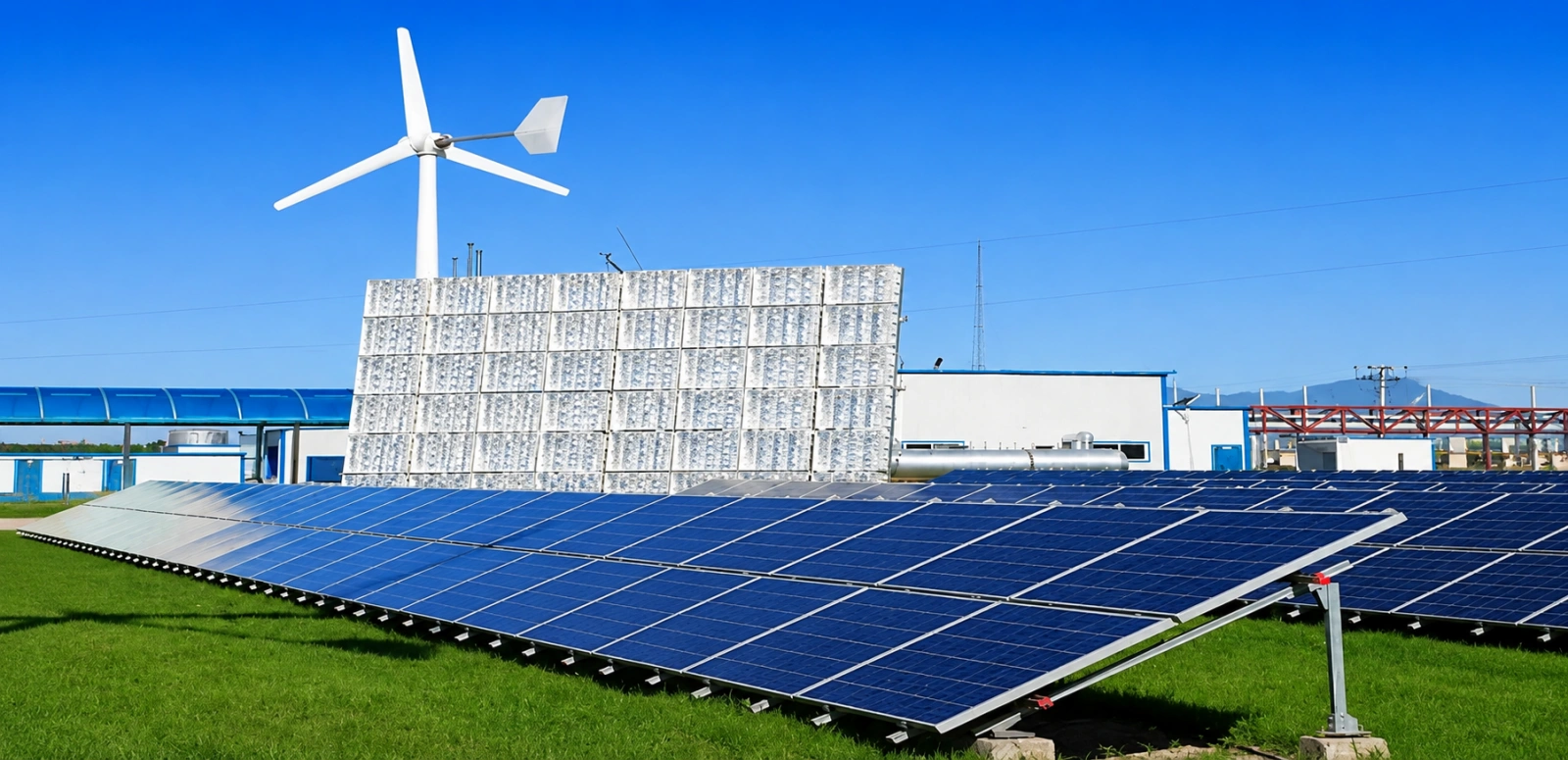
Beyond high-performance modules, Sunpal optimized our entire array layout to achieve perfect complementation with the existing on-site wind turbines. Solar panels provide stable peak power output during the daytime, while wind turbines supplement the power supply during nighttime and cloudy weather. This wind-solar synergy significantly smoothed power output fluctuations, greatly enhanced grid compatibility, and helped us meet strict local grid-connection standards.
In addition, Sunpal modules feature IP68 high-level protection, fully adapting to Brandenburg’s temperate climate, resisting summer rainstorms, winter frost, and temperature changes, ensuring long-term stable outdoor operation for the project.
The final project results exceeded our expectations in every dimension. The plant’s overall annual power generation is nearly 15% higher than projected, with the most obvious improvement in weak-light power production. The 600W+ high-power design maximized our installed capacity within limited land resources, minimizing ecological impact on surrounding forests and farmland. Thanks to the ultra-low attenuation rate — less than 1% in the first year and 0.4% annual attenuation afterward — our long-term operation and maintenance costs are greatly reduced.
Most importantly, the stable and balanced power output realized by Sunpal’s wind-solar collaborative design helped us pass the grid connection inspection smoothly, avoiding economic losses caused by approval delays.
This large-scale hybrid project fully proves Sunpal’s professional strength in solving complex utility-scale renewable energy challenges. Beyond reliable high-performance PV products, Sunpal provided end-to-end technical optimization and customized system solutions. They precisely solved our ecological restriction, weak-light efficiency, and grid-stability pain points, enabling our German wind-solar hybrid project to achieve efficient, eco-friendly, and highly stable commercial operation.